It is a term introduced first in PAS 1192 and updated in ISO 19650 framework, it depicts the process of specifying and delivery of project and asset information summarised in ISO 19650-1 Figure 11 — Overview and illustration of the information management process
Main characteristics of ISO 19650 information management process
[1] British Standards Institution, BS EN ISO 19650-1:2018 Organization and digitization of information about buildings and civil engineering works, including building information modelling (BIM) – Information management using building information modelling Part 1: Concepts and principles. 2018. clause 6
person who provides financial and contractual advice and services for planning, carrying
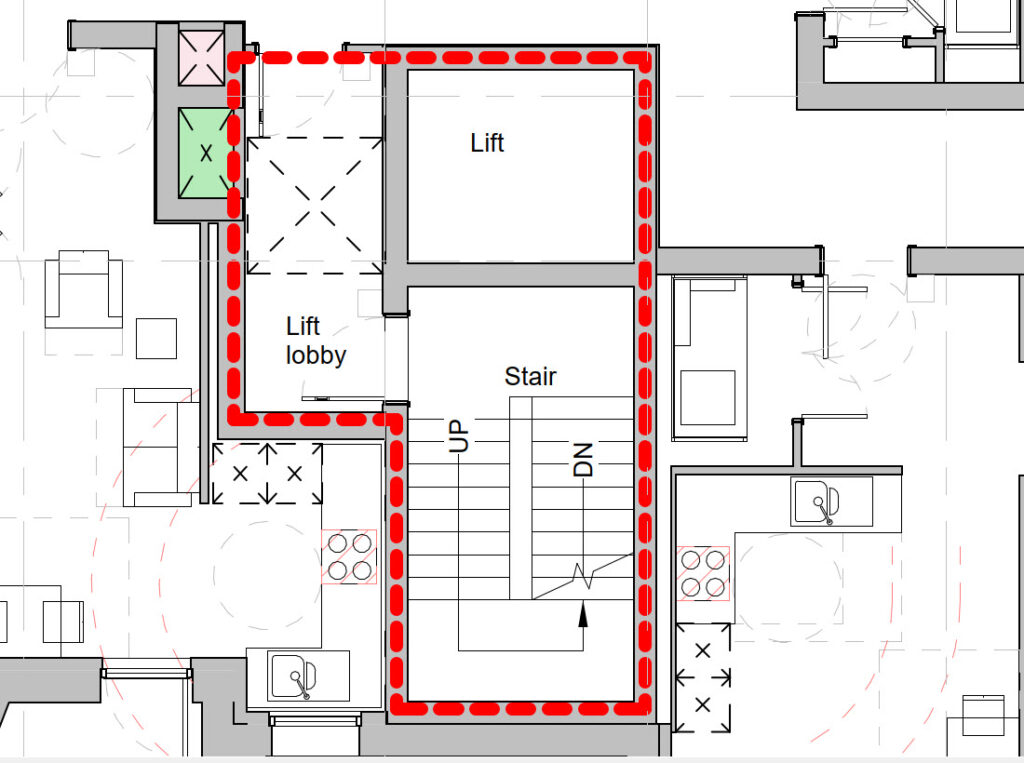
This guidance covers the routing of secondary supply cables from a life safety generator to the ATS (Automatic Transfer Switch), and the final equipment with reference to:
BS 7671:2018+A2:2022, specifically Section 560: Safety Services
BS 8519:2020, with emphasis on Clause 7 (Cable Routing) and Clause 11 (Cable Selection)
The goal: clarify requirements for the diverse cable routing and maintain circuit integrity under fire conditions for systems that support life safety and fire-fighting applications, such as sprinkler pumps, fire-fighting lifts, and smoke control systems.